

earn the fundamentals of QA Testing, including test planning, execution, and defect tracking. This course offers practical insights into both manual and automated testing, using popular tools like Selenium and JIRA. Perfect for beginners and professionals, the course covers best practices and real-world scenarios to enhance your testing skills a
Covers manual and automated testing.
Hands-on with Selenium and JIRA.
Effective defect management.
Insights into automation frameworks.
Real-world project examples.
Best practices in QA.
This course is designed for individuals who are keen on learning quality assurance and software testing. It is ideal for fresh graduates, IT professionals, and anyone looking to switch careers into software testing.
No prior testing experience is required. However, familiarity with basic computing concepts, software development, and keen attention to detail will help you make the most of this course.
Module 01: Introduction to QA Testing
Module 02: Manual Testing Techniques
Module 03: Automated Testing
Module 04: Advanced QA Practices and Tools
The QA Testing certification exam consists of multiple-choice questions covering various testing methodologies, tools, and best practices. The exam is conducted
To prepare for the exam, you can review the course materials, participate in practice tests, and complete hands-on projects. Our course includes comprehensive study gui
Earning a QA Testing certification validates your skills and knowledge, making you more attractive to potential employers. It also increases your credibility in the fie
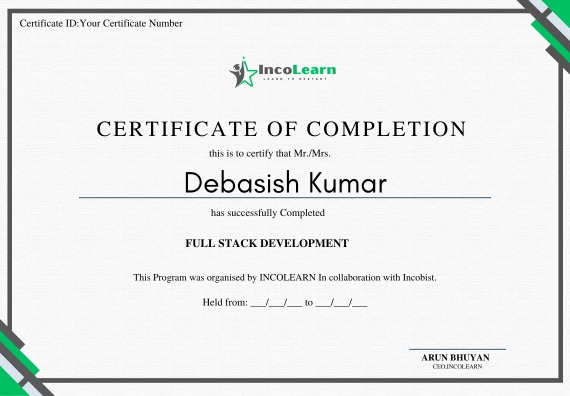
Upon passing the exam, your digital certificate will be emailed to you within a few days. You can also access and download your certificate from the course platform, al
Learn essential QA skills, including manual and automated testing, with hands-on projects.
Study at your own pace with a schedule that fits your life.
Gain insights from experienced QA professionals.
Engage in live sessions and hands-on activities for practical learning.
QA Testing ensures that software meets quality standards and functions as expected by detecting and fixing bugs.
Common tools include Selenium, JIRA, TestRail, and Postman, among others, for both manual and automated testing.
While not always mandatory, basic coding knowledge can be beneficial, especially for automated testing roles.
Attention to detail, analytical thinking, familiarity with testing tools, and effective communication skills are essential.
Manual testing involves human intervention for test execution, while automated testing uses scripts and tools to perform tests.